
Togo–Francophonie Diplomacy: Cambodia’s upcoming 20th Francophonie Summit is framed as a chance to deepen South-South ties, with recent rapprochement with Togo highlighted as a model for trade, investment, agriculture, tourism, connectivity and parliamentary cooperation. Aviation & Maintenance: Ethiopian Airlines and ASKY plan a $100m aircraft maintenance base in Lomé, with a new MRO company targeting operations by end-2028. Procurement Integrity: Togo’s contractors’ association (GNEBTP-Togo) expands its public procurement compliance push to site and office staff as ARCOP enforcement tightens. Fuel Prices: Togo raises retail fuel prices again—unleaded gasoline to CFAF 817/litre and diesel to CFAF 766—citing oil-market pressure. Media Safety: CPJ urges Togolese authorities to investigate the kidnapping and assault of journalist Roland Yaovi Kodjo after armed men released him, realizing they had targeted the wrong person. Security Strategy (Regional): National Security holds stakeholder talks in Oti to feed into a revised national security strategy against violent extremism. Environment Watch: Weto Platform warns of threats to the Akwapim-Togo Mountain Range, citing borrow pits, river works and risks to slopes, roads and water.
AGP Executive Report
Your go-to archive of top headlines, summarized for quick and easy reading.
Note: AI summary from news headlines; neutral sources weighted more to help reduce bias in the result. Feedback is welcome. Please let us know if you have any comments or suggestions about the AGP Executive Report.
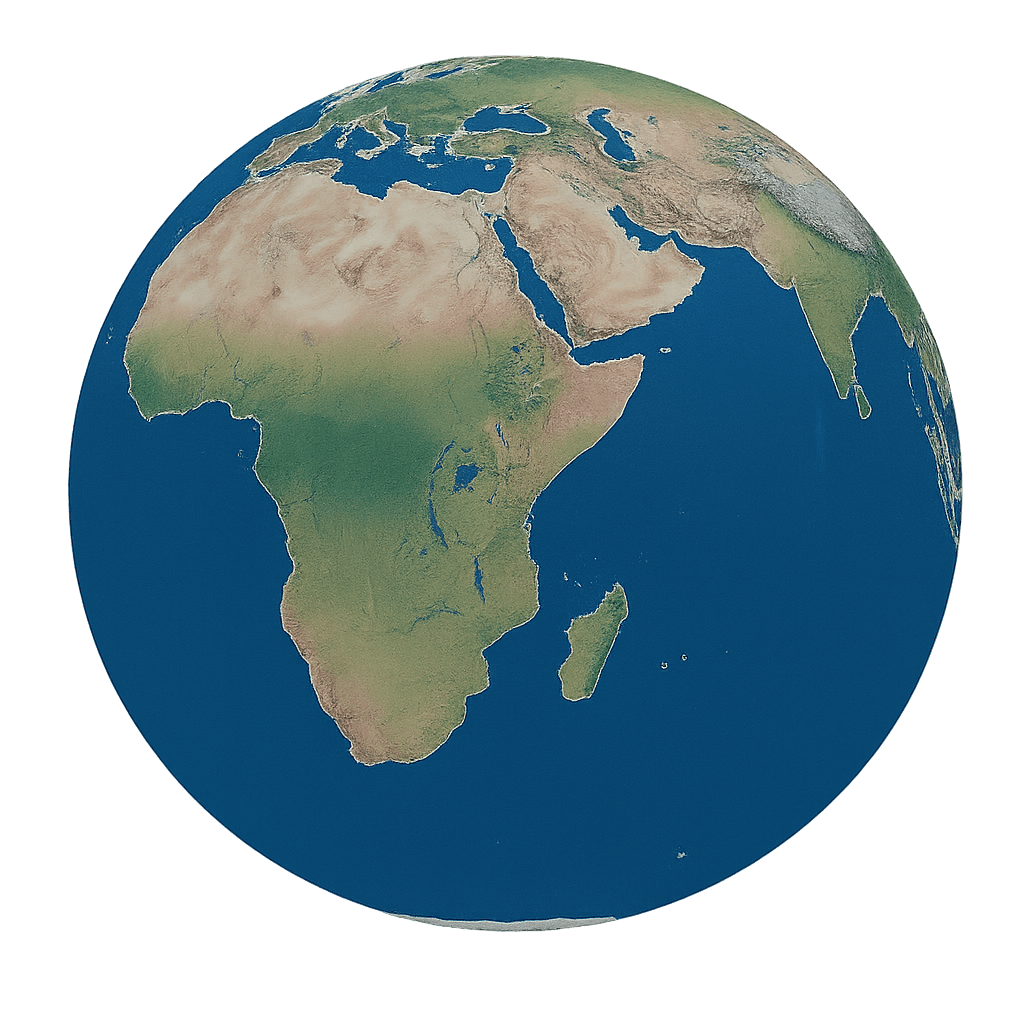
UN Cartography Push: The UN General Assembly backed Togo-led “Correct the Map” resolution 164-1, urging use of more accurate equal-area projections like Equal Earth to stop shrinking Africa’s perceived size on global maps. Fuel Prices: Togo raised retail pump prices again: unleaded gasoline now CFAF 817/l (up from 725), diesel CFAF 766/l (up from 750), with kerosene also higher. Security Strategy: National Security held a regional stakeholders’ engagement in Oti to review the National Security Strategy and respond to violent extremist threats, stressing shared responsibility for safety. Press Freedom: CPJ urged Togolese authorities to investigate the kidnapping and assault of journalist Roland Yaovi Kodjo after armed men detained him in a mistaken-identity case. Environment Watch: Weto Platform warned of threats to the Akwapim-Togo Mountain Range, citing borrow pits and river works linked to alleged environmental damage and community tensions. Local Food Systems: Togo plans to boost school canteens’ use of locally grown produce to improve nutrition and support farmers. Markets & Trade: A fire damaged part of Kpalimé’s Château Market, destroying grain and food stocks; fabric importers also called for tighter, fairer regulation of their sector.
Cartography & Diplomacy: The UN General Assembly has backed the “Correct the Map” push, urging use of equal-area maps like Equal Earth to better reflect Africa’s true size; Togo led the resolution with 164 votes in favour, the US the lone no. Fuel Prices: Togo raised retail pump prices again: unleaded gasoline now CFAF 817/litre (up from 725), diesel CFAF 766 (up from 750), with prices linked to higher global oil pressures. Press Freedom: Togolese journalist Roland Yaovi Kodjo was kidnapped and assaulted after armed men targeted the wrong person; CPJ urges investigations and prosecution. Regional Business: Burkinabè banker Idrissa Nassa led talks with Nigeria’s ambassador in Ouagadougou to expand trade, investment, transport, manufacturing, logistics and digital cooperation. Society & Scams: A report highlights how “miracle” schemes and religious exploitation are costing citizens millions. Education & Food: Togo plans to boost school canteen use of locally grown crops to improve nutrition and support farmers.
UN Map Push for Africa’s True Size: The UN General Assembly adopted Togo-led “Correct the Map” resolution (164-1, with 6 abstentions), urging schools, media and tech platforms to use equal-area projections like Equal Earth instead of Mercator when relative size matters—while the US was the lone vote against. Fuel Prices in Togo: Retail fuel prices rose again on Sept. 11: unleaded gasoline to CFAF 817/l (from 725), diesel to 766/l (from 750), with other products also up. Press Freedom in Togo: Togolese journalist Roland Yaovi Kodjo was kidnapped and assaulted after armed men targeted the wrong person; CPJ urges authorities to investigate and prosecute. Togo’s Education & Food Policy: Government plans to boost school canteen use of locally grown foods to improve nutrition and support Togolese farmers. Togo’s Business Climate: Fabric importers in Lomé are asking for clearer, fairer regulation, including better dialogue with tax authorities. Energy Outlook: Togo is exploring nuclear energy options at a London symposium, focusing on partnerships, skills and financing before any rush to build.

UN Map Reform: The UN General Assembly adopted Togo-led “Correct the Map” to promote more accurate equal-area projections, with 164 votes in favour and the US as the only “no” vote—an effort aimed at fixing centuries of Mercator distortion that makes Africa look smaller. Nuclear Energy Push: President Faure Gnassingbé is in London for the World Nuclear Symposium, using the platform to explore nuclear options for Togo and argue Africa needs skills, regulation, and financing—not just raw-material roles. Electricity Subsidy Watch: Nigeria’s planned electricity subsidy phase-out from 2027 is drawing scrutiny as officials cite huge 2025 subsidy costs and promise supply improvements and metering. Togo PPP Drive: Togo launched a PPP Club to boost investor confidence and performance-based delivery, stressing PPPs are not a way around budget limits. Local Economy & Safety: A fire gutted part of Kpalimé’s Château market, destroying grain and food stocks; authorities are now reviewing market layout and fire-prevention. Trade Regulation: Fabric importers in Lomé are pushing for clearer rules on tax inspections and fair competition. Education for Girls: Togo kicked off its second school kit campaign for 150,000+ girls under SWEDD+. Russian Influence: “Russian Houses” are set to expand across Africa, including Togo, as Moscow grows cultural and educational outreach.
UN Map Reform: Togo-led “Correct the Map” resolution won UN backing (164-1) to encourage equal-area projections like Equal Earth, with the U.S. the lone no vote—sparking fresh debate on how Africa is taught and shown worldwide. Education & Inclusion: Togo launched its second school kit campaign for girls, targeting 150,000+ beneficiaries across 1,500+ localities under SWEDD+. Energy & Industry: President of the Council Faure Gnassingbé urged Africa to tackle the “capital problem” for nuclear projects while building skills, regulation and local value chains as Togo attends the World Nuclear Symposium in London. Trade & Business: Fabric importers in Lomé are pushing for changes to Togo’s trade regulation, citing unfair competition, tax-inspection disputes and difficulty accessing retail space. Local Economy & Safety: A fire severely damaged Kpalimé’s Château market, destroying grain and food stocks; authorities are still investigating the cause and reviewing market layout and fire-prevention measures. Health & Governance: Stakeholders in Central Tongu are demanding the Adidome Farm Institute be upgraded into an Agric and Veterinary tertiary college. Immigration Watch: The U.S. published the full E-2 investor visa treaty list, showing which African countries qualify based on bilateral investment treaties.
UN “Correct the Map” Vote: The UN General Assembly backed a Togo-led push to encourage more accurate world maps, with Africa set to appear closer to its real size under the Equal Earth projection; 164 countries voted in favour, the U.S. was the only no, and six abstained—sparking debate over “cognitive justice” and the politics of cartography. Food Security Deal: Japan signed a CFAF 800 million (200 million yen) agreement to supply subsidized rice in Togo under its 2026 Kennedy Round, aiming to stabilize prices and support vulnerable households. Education for Jobs: Togo plans career-oriented classes from 2026-2027, starting in upper primary and science-focused middle/high schools, with practical sessions led by professionals. Health Regulation: The government adopted a decree to create a National Agency to regulate medicines and other healthcare products, targeting stronger inspections and market surveillance. Girls’ School Kits: SWEDD+ Togo will expand school kit support to over 150,000 girls across 1,500+ communities for 2026-2027. Justice Reform: Togo is moving to merge judicial officers and auctioneers into a single “court commissioner” profession. Peacebuilding in Bawku: Ghana’s National Peace Council brought security services and media together to de-escalate the protracted Bawku conflict, with Japan/UNDP support.
UN Cartography Push: The UN General Assembly backed Togo-led “Correct the Map” resolution (164–1) urging use of the Equal Earth projection, after centuries of Mercator distortion that made Africa look smaller; the US was the lone no vote, with six abstentions. Education Reform: Togo will introduce career-oriented classes in 2026-2027, starting in upper primary and science-focused middle/high schools, with sessions led by professionals and planned school visits. School Support for Girls: SWEDD+ Togo expands kits for more than 150,000 girls in 2026-2027, rolling out from Sept. 9 across 1,500+ communities. Health Regulation: Togo adopted a decree to create a National Agency to regulate medicines and other healthcare products, aiming to strengthen inspections and curb substandard or falsified drugs. Food Security Aid: Japan signed a CFAF 800 million (200 million yen) deal to supply subsidized rice under its 2026 Kennedy Round program. Justice Overhaul: Togo reviewed a draft law to merge judicial officers and auctioneers into one “court commissioner” profession, as part of broader judicial modernization. Energy & Infrastructure: Togo’s rural electrification agency opened a tender for a new solar plant in Agoe Nyive, with French Development Agency funding.
UN Map Reform for Africa: The UN General Assembly adopted Togo’s “Correct the Map” resolution, backing the Equal Earth projection to represent Africa’s true relative size; 164 countries voted in favour, the US was the only no, and six abstained. The vote is non-binding, but it encourages governments, schools and tech firms to use more accurate equal-area maps. Education for Work: Togo will introduce career-oriented classes in 2026-2027, starting in upper primary and science-focused middle and high schools, with sessions led by professionals and planned school visits. Justice Overhaul: Togo plans to merge judicial officers and auctioneers into one profession of court commissioner to modernize how justice services work. Disability Rights: A draft law adopted by Togo’s Council of Ministers aims to strengthen protections and inclusion for people with disabilities, including access to health, education, work and public life. Health Regulation: Togo approved creating a National Agency to regulate medicines and other healthcare products to improve quality control and market surveillance. Girls’ School Support: Togo will expand the SWEDD+ Togo school kit distribution to over 150,000 girls for 2026-2027. Tax Crime Training: Lomé hosted the OECD Francophone Academy on tax and financial crime, focused on investigating illicit financial flows. Solar Tender: Togo’s rural electrification agency launched a tender for a new solar plant in Agoe Nyive, with funding from France’s development agency.
UN Map Push (Togo-led): The UN General Assembly adopted Togo-sponsored “Correct the Map,” backing the Equal Earth projection in a 164-1 vote (with six abstentions). The resolution is non-binding and encourages governments, schools and tech firms to use equal-area maps when relative size matters; the US was the lone “no.” Education & Gender: Togo expands the SWEDD+ school kit drive for 2026-2027, targeting over 150,000 girls across 1,500+ communities, launching Sept. 9 in Blitta Gare. Health Regulation: Togo approved a decree to create a National Agency for the Regulation of Medicines and Other Healthcare Products to strengthen inspections, market surveillance and pharmacovigilance. Tax & Financial Crime Training: Lomé hosts the OECD Francophone Academy (third edition) focused on tax and customs fraud, illicit flows and money laundering. Energy & Industry: Togo kicks off a solar tender for a new plant in Agoe Nyive, with prequalification due Sept. 15. Security Debate: A report warns foreign security actors are expanding in northern Togo, raising sovereignty concerns.
UN Map Reform: Togo-led “Correct the Map” resolution passed at the UN General Assembly on Sept. 4, backing the Equal Earth equal-area projection to show Africa at its true relative size; the vote was 164-1 with the U.S. the only no, and six countries abstaining. Diplomacy & Next Steps: Togo says it will push African states, schools and tech firms over the next six months to adopt fairer mapping, while stressing it doesn’t target Mercator for navigation. Regional Impact: ITUC-Africa and other groups praised Togo’s leadership, arguing maps shape education and perceptions beyond cartography. Togo in the Spotlight: Commentary and local coverage frame the win as a rare diplomatic success for Africa’s representation. Energy Debt Watch: Nigeria’s electricity customers (including Togo via CEET) reportedly owe $28.33m (N37.44bn) for ancillary services over three years, with Togo said to account for 95% of the debt. Finance for PPPs: Ecobank Togo highlights “predictability” as a key ingredient for bankable PPP financing, stressing clear repayment certainty over long project timelines. Culture & Diaspora: The 33rd CEANA convention in Maryland spotlights Ewe heritage and calls for bigger diaspora investment.
UN Map Reform (Togo-led): The UN General Assembly backed Togo’s “Correct the Map” resolution, urging governments, schools and tech firms to use equal-area projections like Equal Earth so Africa isn’t visually shrunk by the Mercator system; the vote was 164–1 with six abstentions, and the measure is non-binding and does not redraw borders or replace Mercator for navigation. Diplomacy & Follow-up: Togo’s Foreign Minister Robert Dussey said Africa will push for wider adoption with the AU and partners over the next six months, including mapping and GPS companies. India’s Condition: India supported the resolution but insisted any UN map must depict Jammu and Kashmir and Ladakh according to India’s official position, warning against “inaccurate” depictions. Lab Finance Angle (Togo): Ecobank Togo says PPP financing hinges on “predictability” of cash flows and repayment over long project timelines. Local Economy (Togo): Togo is also moving to fuel marking inspections from October 1, aiming to tighten oversight of petroleum products.
UN Map Reform: The UN General Assembly adopted Togo’s “Correct the Map” resolution (164–1) backing the Equal Earth equal-area projection to better reflect Africa’s true size and move away from the Mercator distortion, with the African Union set to push schools, media and tech platforms to update how they display maps. Togo’s Diplomatic Win: ITUC-Africa praised Togo for leading the push, saying the vote shows African countries can shape global institutions when they act together. Global Pushback & Clarifications: The US voted against, while Ukraine abstained over how Crimea is shaded; India also backed the resolution but insisted any UN map must depict Jammu and Kashmir and Ladakh according to India’s official position. Local Economy Watch: In Nigeria, reports say locally refined petrol is holding a price edge over imports, as imported Premium Motor Spirit costs rise above Dangote’s refinery price. Security Alert: Nigeria’s NDLEA warned of Mexican-linked criminal networks setting up meth labs in forests across Ogun and Oyo.
UN Map Overhaul: The UN General Assembly adopted Togo-led “Correct the Map” resolution with 164 votes in favour, 1 against (the US) and 6 abstentions, urging governments, schools and tech platforms to use equal-area projections like Equal Earth instead of Mercator to better reflect Africa’s true size. Local Impact in Togo: Coverage says Togo may update school maps and geography materials after the vote, as the change is expected to ripple through education and official publications even though the resolution is not legally binding. Debate Turns Political: India backed the resolution but warned any UN map must depict Jammu and Kashmir and Ladakh according to India’s official position, while Ukraine abstained over how Crimea is shaded. Global Reactions: France also moved away from Mercator for its foreign ministry maps, and commentators like Kingsley Moghalu said the vote won’t automatically bring prosperity, but it challenges long-running distortions.
UN Map Reform: The UN General Assembly has adopted Togo-led “Correct the Map,” backing the 2018 Equal Earth projection to show Africa’s true relative size and move away from the centuries-old Mercator distortion. The resolution passed 164–1 with six abstentions, with the United States the only no vote, arguing it was an “ideological agenda.” Local Impact in Togo: Togo’s Foreign Minister Robert Dussey says the country will update school geography books by the end of 2026 to encourage wider use of Equal Earth. Global Debate: The UN vote is non-binding, but it is expected to influence textbooks, atlases, and digital mapping—while keeping Mercator available for navigation. Regional Context: The initiative was backed by all African Union member states, and Zambia’s envoy called it a “historic moment” for Africa.
UN “Correct the Map” Vote: The UN General Assembly adopted a Togo-led resolution (164–1, with six abstentions) urging schools, governments and tech firms to use equal-area projections like Equal Earth so Africa is shown closer to its real relative size, challenging the centuries-old Mercator distortion; the US voted against, calling it ideological, while Togo’s Robert Dussey said maps shape education and perceptions. Education & National Materials: Togo says it will update school geography books by end-2026 to reflect the new approach. Global Reactions: India backed the goal while clarifying it does not endorse a single projection; France signaled it will move away from Mercator, and debate continues over how the change should be applied. Traditional Leadership & Enterprise: King Sena Bada III is profiled for blending entrepreneurship, traditional authority and community development. Agriculture & Forests: FAO Togo’s Dr. Oyétoundé Djiwa discusses what must be in place for mechanization and forest restoration to translate into real gains for small farmers. Jobs Shock Abroad: Tyson shut an Illinois meatpacking plant, laying off 2,500 workers without notice.
UN Map Reform: The UN General Assembly has endorsed Togo-led “Correct the Map” resolution, backing wider use of the Equal Earth projection that shows Africa at its true relative size instead of the Mercator map’s distortions. The vote passed 164–1, with the United States the only no vote and six abstentions; the resolution is non-binding and does not ban Mercator for navigation, but urges governments, schools, institutions and tech firms to adopt more accurate equal-area maps where scale matters. Togo’s Push: Togo’s foreign minister Robert Dussey framed it as “a fair world” starting with “a fair map,” and said Togo plans to update school geography materials, with talks aimed at expanding adoption across Africa and beyond. Global Reactions: India voted in favour, while France signaled it is already moving away from Mercator for official uses.
UN Map Overhaul: The UN General Assembly has voted to move away from the Mercator world map toward the Equal Earth projection, a change backed by African states including Togo and aimed at showing Africa’s true scale; the resolution passed 164-1 with 6 abstentions and is not legally binding. Fuel Integrity Push: Togo will start nationwide inspections of its petroleum product marking system on October 1, using chemical tracers and mobile lab testing to curb fraud and smuggling and protect tax revenue. Investment & Trade Diversification: Togo expanded ties with Asian and Eurasian partners during SCO+ outreach, including meetings with Vietnam and Belarus, while also launching a Public-Private Partnership Club in Lomé to help structure and finance projects. Health Leadership: Prof. Palokinam Pitche has assumed office as Director-General of WAHO, bringing experience from Togo’s national AIDS response. Cybersecurity Talent: Togo’s ANCy opened a call for Togolese cybersecurity professionals to build a roster for audits, testing, incident response and training.
COPD Push: The global Speak Up for COPD coalition launched a new Joint Declaration urging governments to close gaps in diagnosis, treatment access and prevention for the 480 million people living with COPD. UN Map Reform: The UN General Assembly is set to vote on a resolution backed by Togo and the African Union to move away from the Mercator map toward equal-area “Equal Earth” designs that better reflect Africa’s true size. Togo Cybersecurity: Togo’s National Cybersecurity Agency (ANCy) opened an expression-of-interest call to build a roster of local digital security experts, with applications due Oct. 30, 2026. Agribusiness Exports: Togo Soja shipped its first processed shea butter export from the Adétikopé Industrial Platform, as Togo pushes more local processing before exports. Regional Diplomacy: President of Togo’s Council Faure Gnassingbé urged SCO+ leaders to reform the UN and expand Global South financing, warning multipolarity could also fuel rivalry. WAHO Leadership: Prof. Palokinam Pitche formally assumed office as Director-General of WAHO, bringing over 25 years of health programme and systems experience. West Africa Security: A new Africa File update says Niger’s junta forces thwarted a major coup attempt, with Russia and Algeria playing key roles in the wider Sahel security picture.
Cybersecurity Push: Togo’s National Cybersecurity Agency (ANCy) has opened an expression-of-interest drive to build a roster of Togolese digital security experts, with applications due Oct. 30, 2026; the pool will support audits, penetration testing, incident response, research and training under the 2024–2028 strategy. Agribusiness Exports: Togo Soja shipped its first 2026 export batch of processed shea butter from the Adétikopé Industrial Platform, as Togo continues shifting value-add processing before export. Health Leadership: Prof. Palokinam Pitche formally assumed office as Director-General of WAHO on Sept. 1, bringing over 25 years of public health and programme experience, including leadership roles in Togo’s HIV response. Governance & Finance: Togo launched anti-corruption education materials for universities and reported a 68.4% reform implementation rate by end-June 2026, while also tapping retail investors with a CFAF 40bn bond offering. Diplomacy & World Order: President Faure Gnassingbé urged UN reform and stronger Global South financing at the SCO+ summit in Bishkek. Regional Security Context: Coverage also highlights how West Africa’s coastal security frameworks struggle to match the pace of jihadist advances.
Sign up for:
Togo Daily Reporter
The daily local news briefing you can trust. Every day. Subscribe now.
Check Your Email!
We sent a one-time activation link to: .
Confirm it's you by clicking the email link.
If the email is not in your inbox, check spam or try again.
Welcome back!
is already signed up. Check your inbox for updates.